When Family Hurts: Navigating Narcissism in Family Dynamics
- Todd Nall
- Sep 7, 2025
- 3 min read

By Todd Nall
In recent years, the term "narcissist" has surged in popularity, often misused to describe anyone behaving selfishly or insensitively. This may appear to be a boastful point, but I have had a front row seat to the workings and impact of narcissistic family members in my role as a therapist and I can assure anybody reading these words that it is not the fun or glorious part of what I do. True narcissism should be called by its name, and we all deserve better than to allow this term to be diluted by being assigned to those who may display reprehensible and difficult behaviors but remain outside of the defining line of narcissism.
I’ve observed how this casual labeling can dilute the significance of true narcissism, making it harder for individuals who are genuinely suffering from relationships with narcissistic family members to find clarity and support.
Narcissist vs. Selfish: Knowing the Difference
All of us, at times, exhibit selfish behaviors—moments when our needs or desires overshadow those of others. However, this alone doesn't make someone a narcissist. True narcissism is marked by persistent patterns that significantly impair relationships and cause emotional damage. Common signs of a narcissistic family member include:
Lack of Empathy: Genuine inability or unwillingness to understand or validate another's emotions.
Exploitation: Regularly using others for personal gain without remorse.
Grandiosity: Persistent belief that they are superior and entitled to special treatment.
Manipulation and Gaslighting: Habitually distorting reality, leaving you questioning your own perceptions and feelings.
Inability to Accept Responsibility: Consistently blaming others for their own shortcomings or failures.
If someone consistently displays several of these characteristics, you might be dealing with more than mere selfishness.
Recognizing Narcissism in Family Members
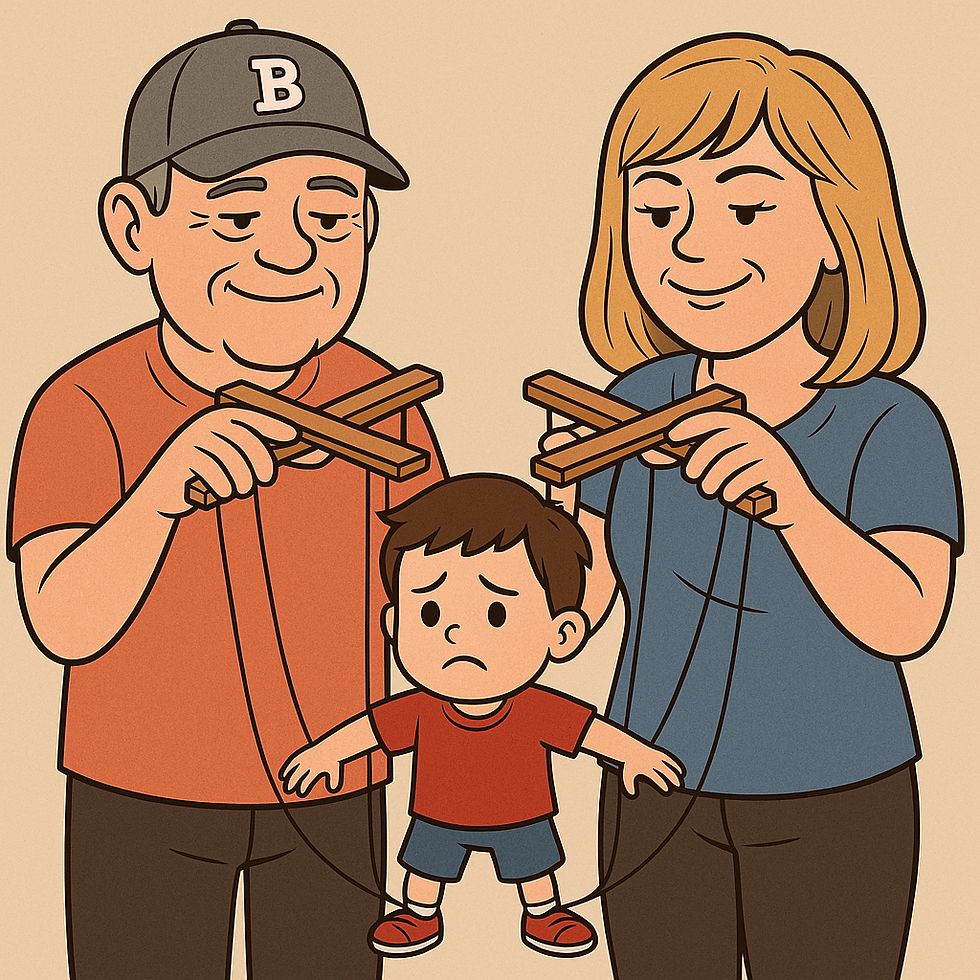
Narcissistic family dynamics often originate with parents but can involve siblings, grandparents, or extended family as well. A narcissistic family member typically creates an environment where others feel compelled to please, appease, or pacify, often at the cost of their emotional well-being. Family roles may be rigidly assigned, and boundaries become blurred or nonexistent.
Practical Steps When Facing True Narcissism
Once you've identified a genuine narcissist in your family, it’s crucial to take intentional steps to protect your emotional health:
Establish Firm Boundaries: Clearly define and enforce your limits. Expect pushback; hold steady anyway.
Reduce or Manage Contact: You have permission to limit your exposure. Controlled interactions can reduce emotional harm.
Avoid Trying to Change Them: Recognize you can't fix or heal a narcissist by yourself. Prioritize your well-being instead.
Seek Therapeutic Support: A counselor can help process emotional wounds, establish effective boundaries, and rebuild self-esteem.
Practice Self-Compassion: Validate your own feelings and experiences. Narcissists often teach their victims to doubt themselves—resist this narrative.
Healing from Narcissistic Family Dynamics
Healing begins by clearly naming the issue and recognizing the reality of your experience. You are not obligated to tolerate mistreatment simply because of family ties. By accurately understanding narcissism and thoughtfully responding, you reclaim power over your emotional life and move toward healing and growth.
If you find yourself trapped in confusing family dynamics involving narcissism, please don’t hesitate to seek help. Healing is possible, and you don’t have to navigate this journey alone.
Take the Next Step
Ready to talk it through? Reach out today for support, clarity, and practical guidance for your journey forward.

Comments